
Home Hardening
Wildfire can threaten your home through wind-blown embers, direct flames and heat from burning vegetation or nearby structures. Home hardening addresses vulnerable parts of your home, while defensible space reduces the fuels surrounding it. Together, these improvements help reduce the likelihood of ignition and the potential for fire to spread through your neighborhood.
Start by identifying vulnerabilities in your roof, vents, windows, decks and the first 5 feet around your home. Our Wildland Fire Specialists can help you prioritize improvements and identify projects that may qualify for the Home Hardening Assistance Program. Call (805) 969-7762 to schedule a complimentary property assessment.
Watch the videos below to see how embers ignite homes and how changes to building materials and nearby landscaping can reduce that risk.
Here are some ways to harden your home against wildfire:
Looking for financial assistance funding your home-hardening improvements? Montecito Fire Department’s Home Hardening Assistance Program offers reimbursement of up to $10,000 per property for eligible projects selected for funding. Funding is limited, and reimbursement is not guaranteed. Contact our Wildland Fire Specialists at (805) 969-7762 before beginning work to schedule a property assessment and discuss project eligibility. Apply here: Home Hardening Assistance Program.
Roof
• Replace wood shake or shingle roofing with a Class A fire-rated roofing assembly. A licensed roofing contractor can help select appropriate materials and confirm the rating of the complete assembly.
• Have a roofing contractor inspect openings beneath roof tiles and along roof edges. Install appropriate bird stops or approved closures to reduce ember entry while maintaining required ventilation and drainage.
• Keep the roof and gutters clear of leaves, pine needles and other combustible debris.
Vents
Embers can enter through vents and ignite materials inside attic and crawl spaces.
• Replace existing vents with flame and ember resistant models listed by the California State Fire Marshal.
• Have a licensed contractor confirm that the vents are suitable for your home, installed correctly and maintain required ventilation.
• Not sure which vents to choose? Contact our Wildland Fire Specialists at (805) 969-7762 for guidance before purchasing.
Eaves and Soffits
• Enclose exposed eaves with ignition-resistant or noncombustible materials to reduce exposure to embers and flames.
• Have a qualified contractor inspect and repair gaps or damaged areas where embers could enter. Maintain required roof ventilation and use State Fire Marshal-listed flame and ember resistant vents where needed.
Windows
Heat from burning vegetation or nearby structures can break window glass, allowing flames and embers to enter your home.
• Replace single-pane windows with dual-pane windows that include at least one pane of tempered glass.
• Reduce nearby heat sources by keeping the first 5 feet around your home free of vegetation and combustible materials, including beneath windows.
• Our Wildland Fire Specialists can help identify priority windows based on nearby vegetation, combustible materials and neighboring structures.
Walls
Wood products, such as boards, panels or shingles, are common siding materials. However, they are combustible and not good choices for fire-prone areas.
- Build or remodel your walls with ignition resistant* building materials, such as stucco, fiber cement, wall siding, fire retardant, treated wood, or other approved materials.
- Be sure to extend materials from the foundation to the roof.
Decks
A burning wood deck can spread fire directly to your home. Replace existing wood decking with noncombustible or approved ignition-resistant decking materials.
• Have a qualified contractor assess the entire deck, including its supporting structure and connection to the home, and recommend appropriate improvements.
• Keep the area beneath and around the deck free of vegetation, debris and stored combustible materials.
• Regularly remove leaves and pine needles from between deck boards and where the deck meets the exterior wall.
Rain Gutters
- Install noncombustible gutter guards to help reduce the accumulation of leaves, pine needles and other debris that embers can ignite.
Patio Cover
- Use the same ignition-resistant materials for patio coverings as a roof.
Chimney
- Cover your chimney and stovepipe outlets with a non-combustible screen. Use metal screen material with openings no smaller than 3/8-inch and no larger than 1/2-inch to prevent embers from escaping and igniting a fire.
Garage
Have a fire extinguisher and tools such as a shovel, rake, bucket, and hoe available for fire emergencies.
- Install weather stripping around and under the garage door to prevent embers from blowing in.
- Store all combustible and flammable liquids away from ignition sources.
Fences
- Consider using ignition-resistant or non-combustible fence materials to protect your home during a wildfire.
Driveways and Access Roads
Driveways should be built and maintained in accordance with state and local codes to allow fire and emergency vehicles to reach your home. Consider maintaining access roads with a minimum of 10 feet of clearance on either side, allowing for two-way traffic.
- Ensure that all gates open inward and are wide enough to accommodate emergency equipment.
- Trim trees and shrubs overhanging the road to allow emergency vehicles to pass.
Address
- Make sure your address is clearly visible from the road.
Water Supply
- Consider having multiple garden hoses that are long enough to reach all areas of your home and other structures on your property.
Useful Links
Fire Information Engine—Homeowner Wildfire Assessment
University of California—Homeowner’s Wildfire Mitigation Guide
*Ignition-resistant building materials are those that resist ignition or sustained burning when exposed to embers and small flames from wildfires. Examples of ignition-resistant materials include “non-combustible materials” that don’t burn, exterior grade fire-retardant-treated wood lumber, fire-retardant-treated wood shakes and shingles listed by the State Fire Marshal (SFM) and any material that has been tested in accordance with SFM Standard 12-7A-5.

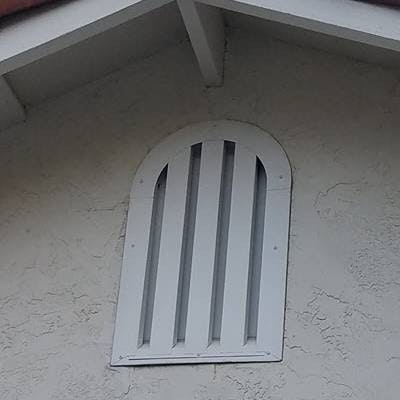


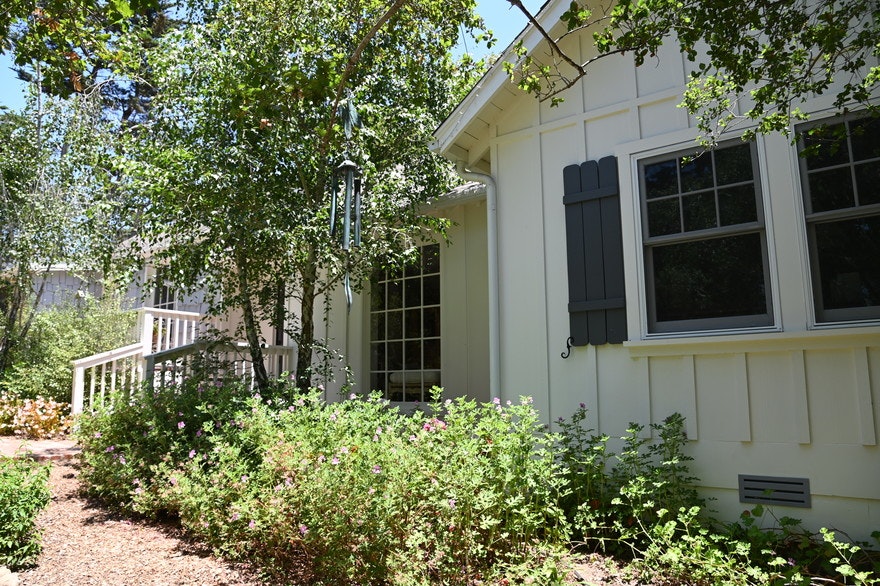
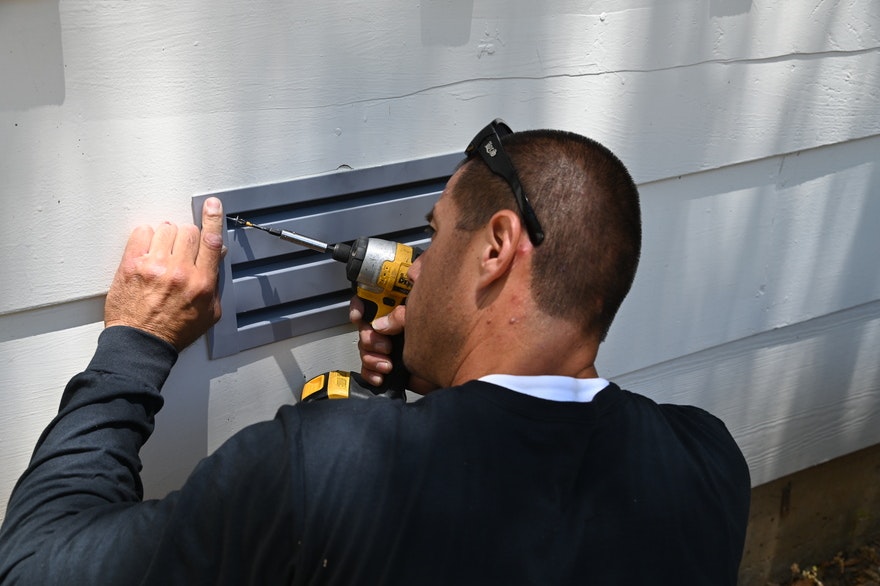

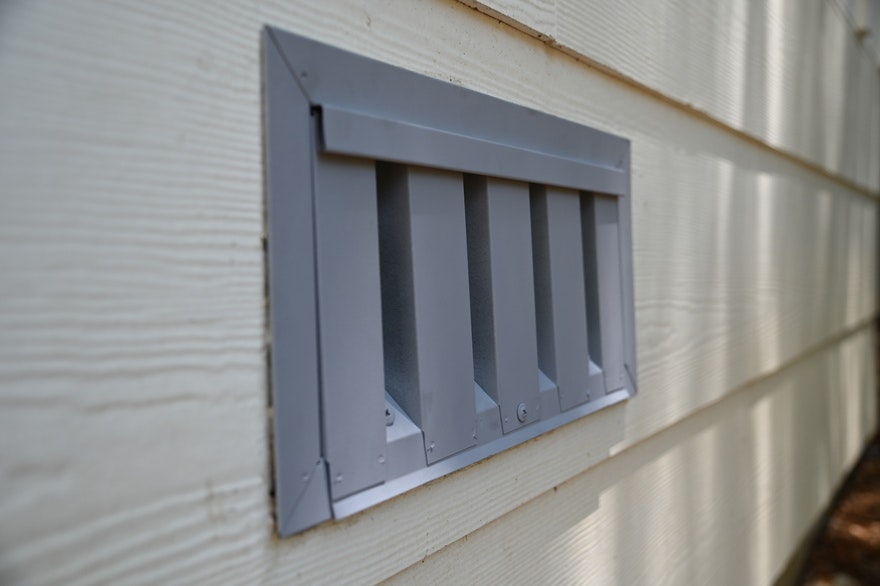
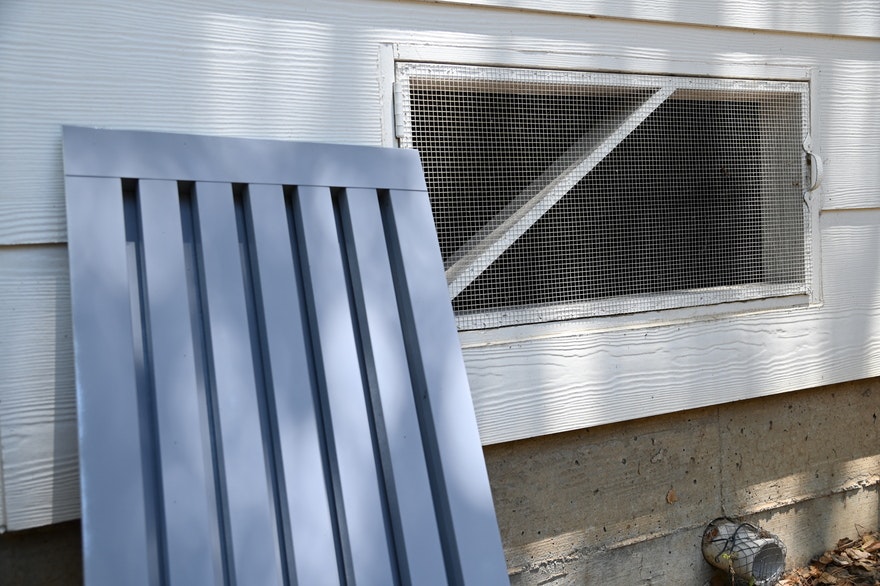
The University of California Cooperative Extension has an excellent discussion of the various ember-resistant vents here.
For more information please contact Maeve Juarez or Nic Elmquist at (805) 969-7762.
