
Home Hardening Assistance Program
Enhancing Wildfire Resilience in Montecito
The Home Hardening Assistance Program (HHAP) helps Montecito homeowners reduce their wildfire risk by providing reimbursement for eligible home hardening projects and other qualified retrofits designed to improve wildfire resilience. The HHAP is a reimbursement program. Homeowners are responsible for completing and paying for eligible projects before requesting reimbursement through the program. The program supports improvements that reduce the likelihood of a home igniting during a wildfire, helping protect lives, property, and the community as a whole.
The HHAP is funded through an annual allocation from the Montecito Fire Department and is administered as a competitive, risk-based reimbursement program. Because funding is limited, submission of an application does not guarantee approval or reimbursement.
Priority is given to properties located in Montecito's highest wildfire risk areas and to projects that provide the greatest reduction in wildfire vulnerability. While homeowners throughout the District may be eligible to apply, projects located in lower-risk areas are less likely to be selected for funding due to limited program resources.
Applications are evaluated using a variety of factors, including wildfire hazard, structure vulnerability, defensible space conditions, project type, and overall community risk reduction benefits. This approach helps ensure that available funding is directed toward projects that provide the greatest wildfire resilience benefit to the Montecito community.
By investing in strategic home hardening improvements, Montecito residents can play an important role in creating a safer, more wildfire-resilient community for everyone.

Learn About the Home Hardening Assistance Program
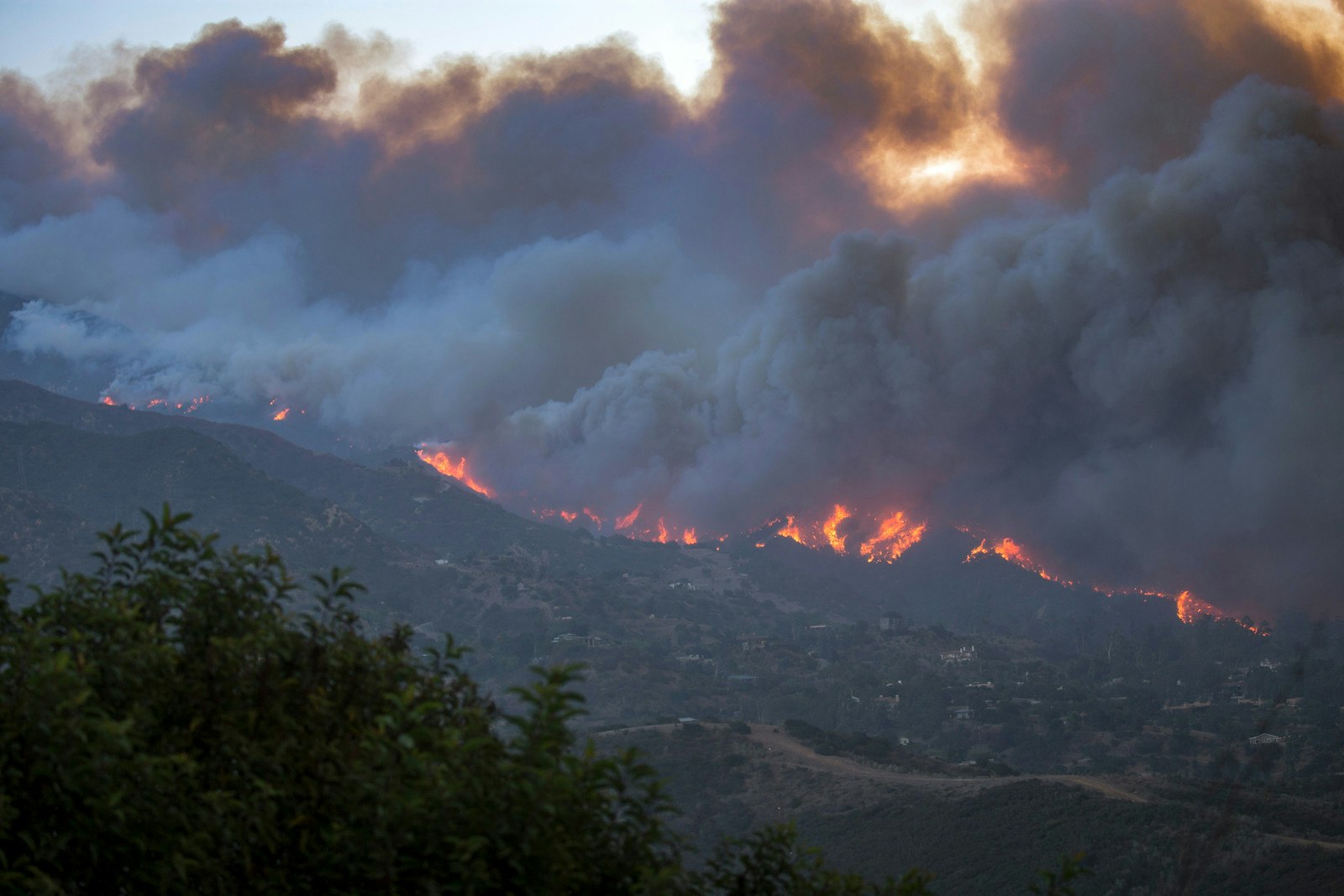
In 2019, the Montecito Fire Protection District took significant steps to address wildfire risks by updating the Community Wildfire Protection Plan. This update was driven by key lessons learned from the devastating 2017 and 2018 fire seasons, underscoring the urgent need for proactive wildfire defense.
Key recommendations included:
- Identifying innovative structure-hardening programs to enhance home defensibility.
- Developing a cost-share program to help offset costs associated with essential structural improvements and fire-resistant landscaping.
Recognizing the importance of these recommendations, the Fire Department allocated funds from the Fire Defense Zone Budget to launch the Home Hardening Assistance Program. This program represents a proactive approach to building resilience and safeguarding our residents and their properties against ongoing fire risks.
Resources & Peer-Reviewed Studies
- Housing arrangement and vegetation factors associated with single-family home survival in the 2018 Camp Fire
- Structure Losses in the Camp Fire-A Conversation with Eric Knapp and Yana Valachovic
- Insurance Institute for Business & Home Safety: Near-Building Noncombustible Zone
- CA Department of Insurance: Commissioner Lara and state emergency agencies issue “Safer from Wildfires” framework to protect existing homes and communities

The following actions are eligible under the program:
Zone 0 Compliance:
Create a non-combustible zone within 5 feet of your home to improve wildfire defense and prevent fire spread. Replace combustible mulch near the home with non-combustible materials such as gravel, pavers, or concrete. Key guidelines include:
- Establish ember-resistant areas with non-combustible materials like gravel mulch, stones, boulders, hardscaping, cement/stone retaining walls, patios, walkways, and paths.
- Replace combustible pergolas and decks with non-combustible materials to reduce fire risk near your home.
- In flower beds and gardens, use rock or composted mulch as ground cover to serve as effective firebreaks in bare spaces.
- Remove all vegetation, including overhanging branches, grass, turf, wood or rubber mulch, and any combustibles stored within 5 feet of the structure.
(See photos below for examples)


Window Upgrades:
Replace single-pane windows with dual-pane windows that include at least one pane of tempered glass to reduce the risk of breakage. Single-pane windows are highly vulnerable in wildfires, often shattering within 1-3 minutes of intense heat exposure, allowing flames and embers to enter the home. Dual-pane tempered glass provides greater durability and protection, serving as a crucial barrier against wildfire conditions.
Upgrading Wood Fences:
Replace wood fencing with non-combustible materials, prioritizing the first 5 feet closest to the home. Using non-combustible fencing or gates where they attach to the structure reduces the risk of a burning fence igniting the home’s exterior. Non-combustible fencing materials are often available in eight-foot sections, and using the full length is recommended for optimal protection.
(See video below for examples)
Installing Ember-Resistant Vents:
Retrofit or upgrade existing vents to ember-resistant models from the California State Fire Marshal-approved flame and ember-resistant vents list (State Fire Marshal Listed Wildland Urban Interface (WUI) Products Handbook) to prevent embers from entering and igniting the structure. Approved brands include Brandguard, Able Sheet Metal, O’Hagin, and Embers Out LLC.
Roofing Upgrades:
Roof Material: An untreated wood shake or shingle roof is the greatest fire risk to a home. Replace combustible roof coverings, such as wood or cedar shingles, with Class A-rated materials like asphalt shingles, tile/cement shingles, or metal panels for superior fire resistance.
Bird Stops: Roof coverings like flat and barrel-shaped tiles, metal, and cement may have gaps between the roof covering and sheathing, often at the ridge and edges. These gaps allow birds and rodents to nest, bringing in flammable materials that embers can ignite. Flames from this debris can spread to structural support members, bypassing the Class A-rated protection. Plugging these gaps, known as “bird stopping,” helps prevent such ignition.
Gutter Guards: Wind-blown debris, such as leaves and pine needles, can accumulate on roofs and in gutters, creating a fire hazard if ignited by embers. Various commercially available gutter guards help prevent debris buildup, allowing water to flow freely and reducing maintenance needs.
Eligibility Criteria:
- Location: Homeowners must reside within the Montecito Fire Protection District.
- Ownership: Applicants must be the legal property owners of the residence located within the Montecito Fire Protection District at the time of application.
- Participation: Applicants must be willing to participate in a Defensible Space Inspection by a Montecito Wildland Fire Specialist.
STEP 1: Request a Defensible Space Inspection conducted by one of our Wildland Fire Specialists. Following this inspection, an individualized home assessment report will be generated specifically for each property. This detailed report will outline required, recommended, and optional measures that homeowners can undertake to enhance the fire resilience of their homes. Homeowners have the flexibility to choose retrofit options.
STEP 2: Hire a contractor of your choice to complete the selected retrofits.
STEP 3: Submit application with required documentation:
- Before-and-After Photographs: Clear images of the property taken before and after the completion of the retrofit work.
-
Invoice: A legible invoice that documents the work performed. This invoice must include:
- Date and description of work completion
- Property address
- Contractor's name, contact information, and license number
- Proof of payment
STEP 4: Reimbursements are only eligible for work completed on or after January 1, 2025. Upon approval of the application, the Montecito Fire Department will issue a reimbursement check to the property owner for eligible expenses, with a maximum assistance amount of up to $10,000 from the Home Hardening Assistance Program. It's important to note that this program is available as a one-time assistance option per property. Once a property has received funding from the HHAP, it will no longer be eligible for future disbursements through the program.
Approval Process: To reduce structure loss and prevent wildfires from establishing in more populated areas, the program will prioritize properties based on a comprehensive evaluation of wildfire risk. Selection criteria will include proximity to wildland areas, anticipated fire behavior, historical fire occurrence on the parcel, and the structure's existing wildfire resilience.
Reimbursement Process: If your application is approved and selected, you will need to visit Montecito Fire Station 91 at 595 San Ysidro Road to complete the Reimbursement Forms, or you may choose to submit them by mail.
You will have the option to select either direct deposit or to have a check mailed to your preferred address.
Eligibility Criteria:
-
Location: Homeowners must reside within the Montecito Fire Protection District.
- Reference this map to determine your property's wildfire risk zone. Properties located in higher wildfire risk areas receive priority consideration for funding.
- Ownership: Applicants must be the legal property owners of the residence located within the Montecito Fire Protection District at the time of application.
- Participation: Applicants must be willing to participate in a Defensible Space Inspection by a Montecito Wildland Fire Specialist.
- Selection: Eligible applications are evaluated and prioritized based on wildfire risk and available program funding. Not all eligible applications will be approved for reimbursement.
Submission Requirements: Applicants must submit a completed application detailing the retrofit actions taken, along with detailed contractor invoices for the completed work.
Project Selection Process:
The Home Hardening Assistance Program is a competitive, risk-based reimbursement program. Annual funding is limited, and demand for the program often exceeds available funding. As a result, meeting the minimum eligibility requirements does not guarantee project approval or reimbursement.
Applications are evaluated and prioritized based on factors including:
• Wildfire hazard and exposure to the property
• Existing structural vulnerabilities identified during a Defensible Space Inspection
• The project's ability to reduce ember intrusion and structure ignition potential
• The overall wildfire risk reduction benefit provided by the project
• Available program funding
Priority is generally given to properties located in Montecito's highest wildfire risk areas. While homeowners throughout the District may be eligible to apply, projects located in lower-risk areas are less likely to be selected for funding due to limited program resources.
Reimbursement Process: If your application is approved and selected, you will need to visit Montecito Fire Station 1 at 595 San Ysidro Road to complete the Reimbursement Forms, or you may choose to submit them by mail.
You will have the option to select either direct deposit or to have a check mailed to your preferred address.
The Home Hardening Assistance Program is a vital initiative in our ongoing effort to enhance community safety and resilience against the increasing threat of wildfires. In light of the significant cuts in homeowners' insurance that have affected many in our community, this program provides essential support for property enhancements that protect lives and homes. While the complexities of insurance policies may be beyond our control, we have the power to foster resilience through proactive measures like this program and the continued expansion of our wildfire mitigation efforts.
By investing in critical fire-resistant upgrades, we not only safeguard individual properties but also strengthen the collective resilience of our community, ensuring a safer future for all Montecito residents.
Learn more about Home Hardening & Defensible Space:
Submit your application
Questions? Send us an email or call 805-969-7762